CS2 Anti-Cheat: What Valve Could Do (But Won't)
The State of VAC in 2026
Valve Anti-Cheat (VAC) was revolutionary when it launched in 2002. It was one of the first automated anti-cheat systems in online gaming. But that was 24 years ago. The cheating landscape has evolved dramatically — and VAC hasn't kept up.
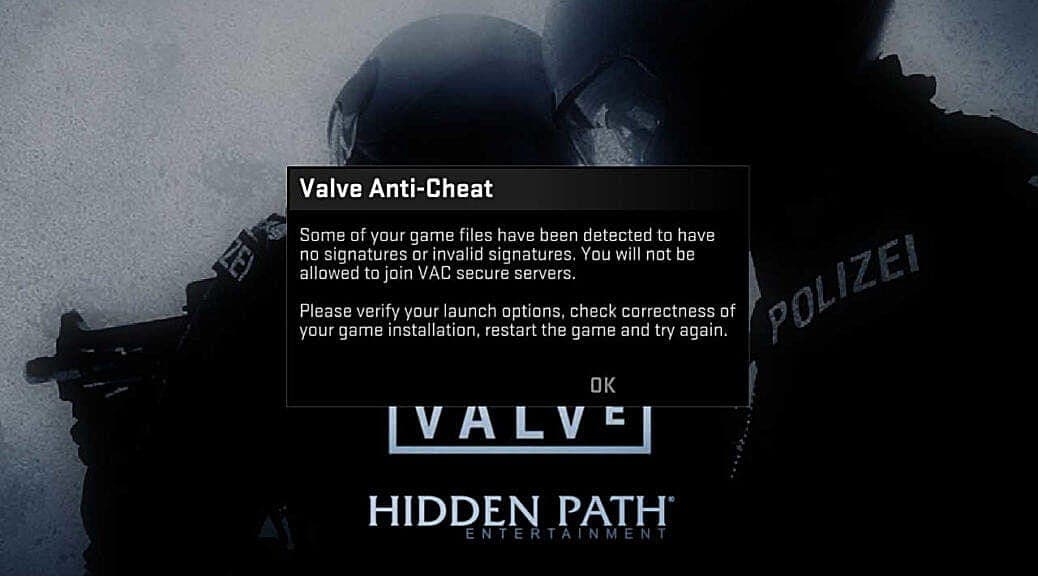
VAC operates primarily as a signature-based detection system. It scans for known cheat signatures in memory — essentially an antivirus for game cheats. The problem? Modern cheats are polymorphic, kernel-level, and constantly updated. By the time VAC detects a cheat, thousands of players have already been affected.
What the Competition Does Better
Riot Vanguard (Valorant)
Love it or hate it, Riot's Vanguard is effective. It runs at the kernel level, starting at boot time, which means:
- It can detect cheats that operate below the game's process
- Hardware-level identification makes ban evasion extremely difficult
- Real-time monitoring catches cheats before they can affect gameplay
The result? Valorant's competitive integrity is significantly better than CS2's. You can encounter cheaters, but it's rare compared to the epidemic in CS2.
Easy Anti-Cheat (Fortnite, Apex Legends)
EAC combines kernel-level detection with behavioral analysis. It doesn't just look for known cheats — it looks for impossible behavior. Inhuman reaction times, perfect tracking through walls, statistical anomalies that no legitimate player would produce.
BattlEye (PUBG, Rainbow Six Siege)
BattlEye takes a similar approach with deep system scanning and hardware fingerprinting. When you get banned in Siege, your hardware ID is flagged — making it extremely costly to create a new account.
What Valve Could Implement Tomorrow
1. Kernel-Level Anti-Cheat
This is the elephant in the room. Every major competitive FPS except CS2 uses kernel-level anti-cheat. Valve has the resources — they just haven't done it.
The privacy argument doesn't hold water anymore. Millions of players voluntarily run Vanguard, EAC, and BattlEye. The gaming community has shown that they're willing to accept kernel-level anti-cheat for a fair competitive experience.
2. Hardware Bans
Currently, a banned CS2 cheater can create a new free account and be back in competitive within minutes. Hardware bans would link bans to the physical components of a player's machine — motherboard, GPU, network adapter.
Yes, hardware IDs can be spoofed. But it raises the barrier from "click a button" to "need specialized tools and knowledge," which eliminates the vast majority of casual cheaters.
3. Phone Number Verification for Competitive
Valve already has Prime status, but it's not enough. Requiring a unique phone number tied to a mobile carrier (not VoIP) for competitive play would dramatically reduce smurf and cheater accounts.
4. AI-Powered Behavioral Analysis
Machine learning has advanced enormously. Valve could implement systems that analyze:
- Aim patterns — distinguishing human micro-corrections from aimbot snapping
- Information usage — detecting when players consistently act on information they shouldn't have (wallhack detection)
- Statistical anomalies — flagging accounts with impossibly high headshot rates or win streaks
This wouldn't replace VAC — it would supplement it, catching "legit cheaters" who currently fly under the radar.
5. Overwatch 2.0
CS:GO's Overwatch system was community-powered review of reported players. It worked, but Valve abandoned it in CS2. A modernized version with:
- AI pre-screening to prioritize obvious cases
- Replay system with X-ray and statistics overlay
- Rewards for accurate reviewers
- Faster turnaround from report to ban
Why Won't Valve Do It?
The cynical answer: cheaters are profitable. Every banned account that buys a new Prime status, every cheater who opens cases on a fresh account, every ban wave that temporarily boosts the player count — it all generates revenue.
The charitable answer: Valve's flat organizational structure means projects only happen when employees choose to work on them. Anti-cheat is unglamorous, never-ending work. It's easier to ship a new weapon case than to fight an arms race with cheat developers.
Either way, the result is the same: CS2 players suffer while Valve profits.
What We're Asking For
We're not asking Valve to solve cheating overnight. We're asking them to invest seriously in the problem. Hire a dedicated anti-cheat team. Implement kernel-level detection. Add hardware bans. Use the billions CS2 generates to protect the game that generates those billions.
The technology exists. The solutions are proven. The only thing missing is Valve's willingness to act.
Sign the petition. Make your voice heard. August 31, 2026.